%2Ffit-in%2F250x250%2Fguide_websites%2F57385%2Fimages%2F1765861042006466135142_8983408855026344_345475800739615551_n.jpg&w=1200&q=100)
//users/8edeb88a-217f-45fb-a5f2-3240528d071b/ratecard/download1-mj7y2xcc.jpeg)
%2Ffit-in%2F300x300%2Fusers%2F8edeb88a-217f-45fb-a5f2-3240528d071b%2Fratecard%2Fdownload1-mj7y2xcc.jpeg&w=256&q=75)
%2F300x300%2Fusers%2F8edeb88a-217f-45fb-a5f2-3240528d071b%2Fimages%2Ffantastic-fishing-onancock-2430.jpg&w=256&q=75)
%2F300x300%2Fusers%2F8edeb88a-217f-45fb-a5f2-3240528d071b%2Fimages%2Fstriped-bass-fishing-va-2479.jpg&w=256&q=75)
%2F300x300%2Fusers%2F8edeb88a-217f-45fb-a5f2-3240528d071b%2Fimages%2Fsnook-fishing-onancock-2461.jpg&w=256&q=75)
%2F300x300%2Fusers%2F8edeb88a-217f-45fb-a5f2-3240528d071b%2Fimages%2Fredfish-caught-onancock-2756.jpg&w=256&q=75)
%2F300x300%2Fusers%2F8edeb88a-217f-45fb-a5f2-3240528d071b%2Fimages%2Fcrappie-caught-onancock-2440.jpg&w=256&q=75)
%2F300x300%2Fusers%2F8edeb88a-217f-45fb-a5f2-3240528d071b%2Fimages%2Ffishing-in-va-2477.jpg&w=256&q=75)
%2F300x300%2Fusers%2F8edeb88a-217f-45fb-a5f2-3240528d071b%2Fimages%2Fspotted-weakfish-virginia-fishing-2479.jpg&w=256&q=75)
%2F300x300%2Fusers%2F8edeb88a-217f-45fb-a5f2-3240528d071b%2Fimages%2Fspotted-weakfish-va-fishing-2451.jpg&w=256&q=75)
%2F300x300%2Fusers%2F8edeb88a-217f-45fb-a5f2-3240528d071b%2Fimages%2Fbest-fishing-onancock-2360.jpg&w=256&q=75)
%2F300x300%2Fusers%2F8edeb88a-217f-45fb-a5f2-3240528d071b%2Fimages%2Fstriped-bass-fishing-va-2510.jpg&w=256&q=75)
Botangles Half Day Eco Trip Chesapeake Bay VA
What you will be catching:
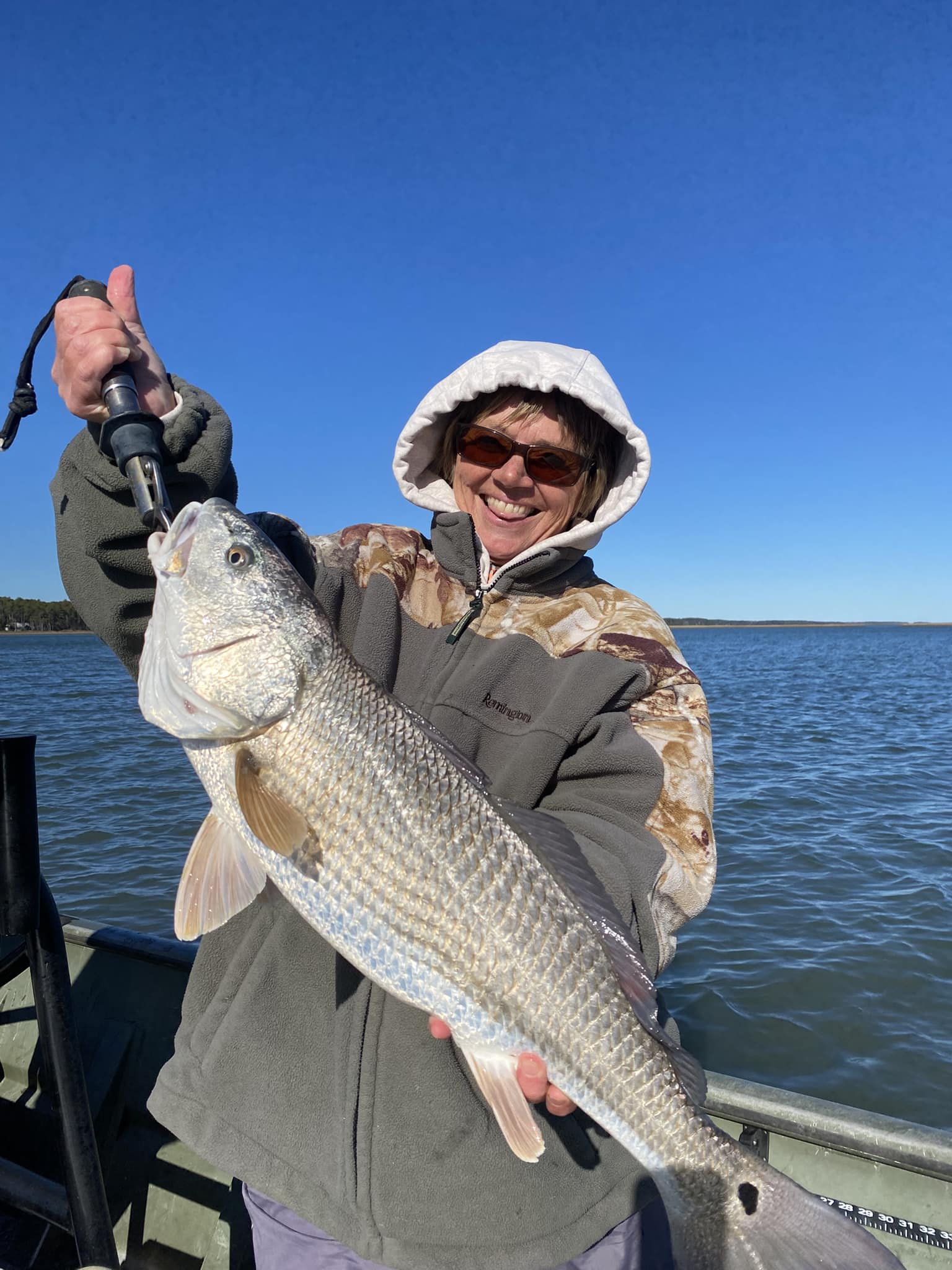
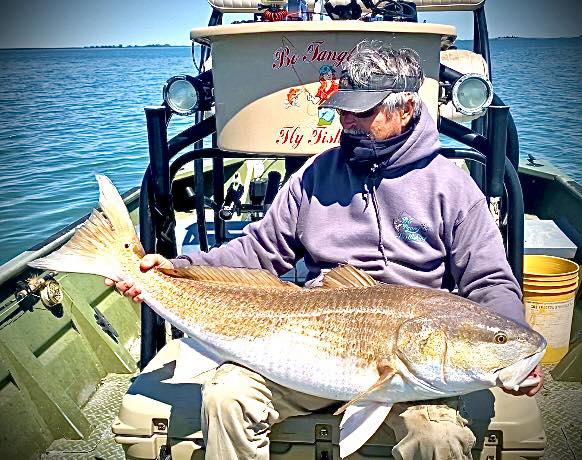
 Redfish
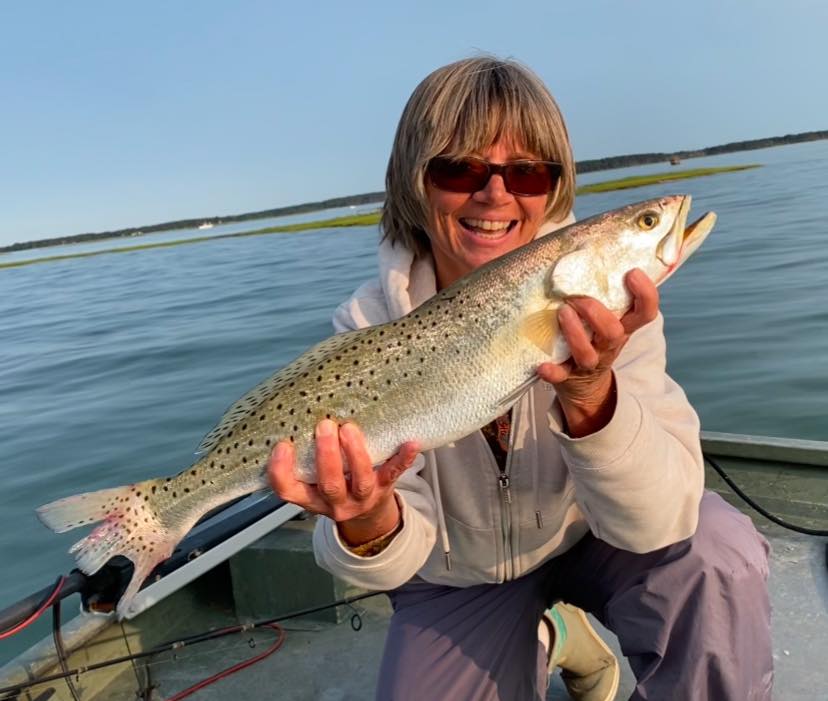
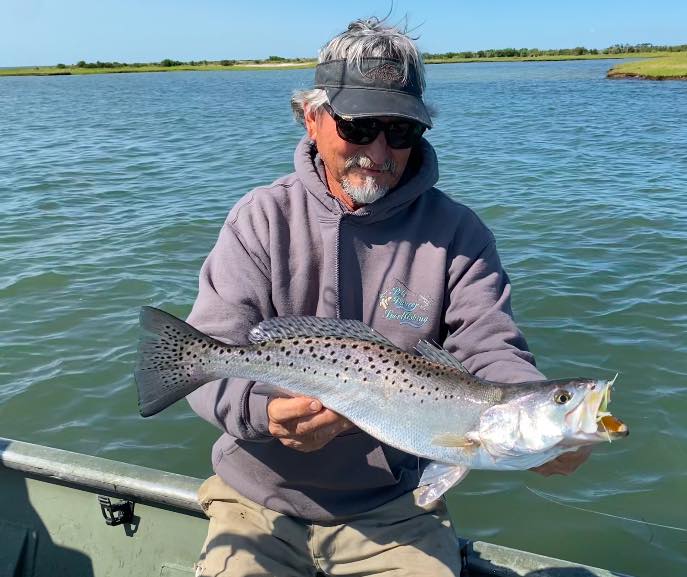
 Sea Trout
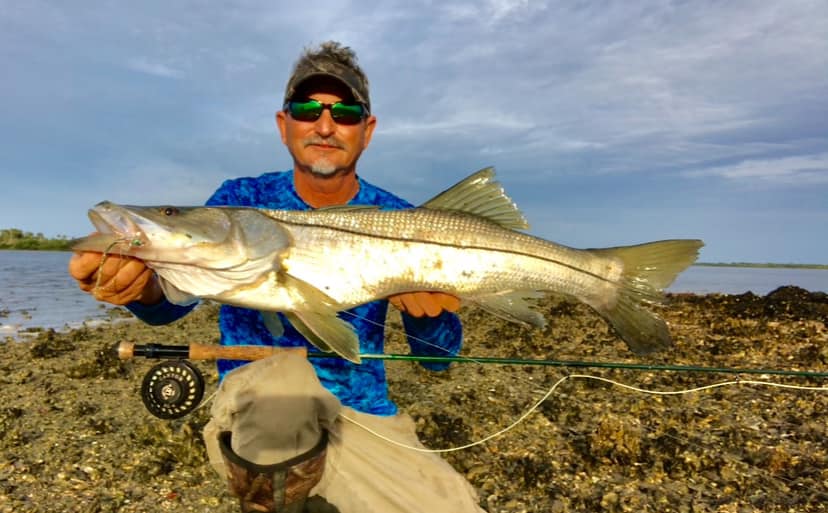
 Snook
Snook
- 4-hour eco trips targeting redfish, sea trout, and snook
- Small groups receive personalized instruction on fly fishing techniques
- Seasonal operations: Chesapeake Bay April-January, Florida winter months
Trip Pricing and Availabilities :
Trip pricing information is temporarily unavailable.
Half Day Eco Trip in Chesapeake Bay
Picture this: you're gliding through the shallow waters of Chesapeake Bay at sunrise, the morning mist lifting off the flats as herons wade silently in the distance. Captain Denny Seabright has been running these waters for years, and he knows exactly where the redfish are tailing and the sea trout are feeding. This isn't just another fishing trip – it's four hours of pure Chesapeake magic that combines world-class inshore fishing with some of the most beautiful scenery on the East Coast. From April through January, we're working Virginia's protected waters, then when things get chilly up north, we head down to Crystal River, Florida to keep the action going year-round.
What to Expect on the Water
Captain Denny runs a top-rated 20-foot Sea Ark that's built for these shallow waters – we're talking about a boat that can float in less than a foot of water, getting you into places the bigger charter boats can't reach. You'll have room for up to four people, making this perfect for families, couples, or a small group of friends looking to escape the crowds. The beauty of this eco trip is that it works for everyone, whether you're a seasoned angler who lives for that drag-screaming redfish run or a complete beginner who's never held a rod. Denny's got the patience of a saint and loves teaching people the ropes, especially when it comes to sight fishing these flats. We'll be poling through tidal creeks, working grass beds, and hunting structure where these fish like to hang out. Don't worry about bringing anything – we've got you covered with quality gear, and Denny will match the tackle to your skill level and what we're seeing out there.
Light Tackle & Fly Techniques
This is where things get really fun. We fish both light spinning gear and fly rods, depending on what you're comfortable with and what the conditions call for. The spinning setups are perfect for beginners – we're talking about 7-foot medium-light rods paired with 2500-series reels spooled with 10-pound braid. Simple, effective, and forgiving when you're learning to cast to moving fish. For the fly fishing crowd, Captain Denny sets you up with 8-weight rods that can handle everything from delicate presentations to windy conditions. The flies we use are mostly locally-tied patterns that imitate the shrimp, crabs, and baitfish these species are feeding on. Clouser Minnows, Gotcha patterns, and crab flies are staples in the box. What makes this trip special is the sight fishing opportunities – Denny's got eagle eyes for spotting fish, and he'll teach you how to read the water, look for nervous water, and spot those telltale red tails when the drum are feeding head-down in the shallows.
Top Catches This Season
Let's talk about what makes these Chesapeake waters so special. Redfish are the crown jewel of this fishery – we're seeing fish from 18 inches up to genuine bulls pushing 40-plus inches. These copper-colored bruisers are ambush predators that love to cruise the grass flats and oyster bars, and when you hook into a big red, you'll understand why people get addicted to this style of fishing. They'll make blistering runs that'll test your drag and your nerves. Sea trout are another customer favorite, especially the bigger "gator trout" that hang around deeper grass beds and channel edges. These spotted beauties are scrappy fighters with mouths like paper, so you've got to finesse them to the boat. Then there's the snook – now, these are more common during our Crystal River season, but we do see them in the lower Chesapeake during the warmer months. Snook are like the ghosts of the flats, hiding under docks and mangroves, and they've got an attitude that matches their prehistoric looks.
Species You'll Want to Hook
Redfish are hands-down the most exciting target in these waters. These fish are built like bulldozers and fight twice as hard as their size suggests. In the Chesapeake, we see them year-round, but the best action happens from late spring through early fall when they're actively feeding in the shallows. A typical Chesapeake red runs 20 to 30 inches, but don't be surprised if we hook into a 35-inch citation fish that'll give you a fight you won't forget. What makes reds so special is their willingness to eat in shallow water – we're talking about fish feeding in 18 inches of water where you can watch the whole show unfold.
Sea trout might not have the pure power of a redfish, but they make up for it with attitude and beauty. These spotted fighters are most active during moving tides, especially around grass beds and sandy potholes. The Chesapeake produces some genuine trophy trout, with fish over 25 inches not uncommon during peak season. They're also one of the most reliable species – when the reds are being finicky, you can usually count on finding willing trout somewhere in the system. Their soft mouths mean you've got to stay sharp during the fight, but that delicate bite and explosive strike make them a joy to target on light tackle.
Snook are the wildcards of this trip, especially during our Florida season. These ambush predators are like the bass of the salt water – they'll crush a topwater plug or strip a fly with equal enthusiasm. Crystal River snook are particularly aggressive during the cooler months when they're concentrated around warm-water springs. They're masters of using structure to their advantage, so you've got to be ready for that initial run toward the nearest dock piling or mangrove root. A good snook will jump, run, and generally try every trick in the book to throw your hook.
Time to Book Your Spot
Learn more about the animals
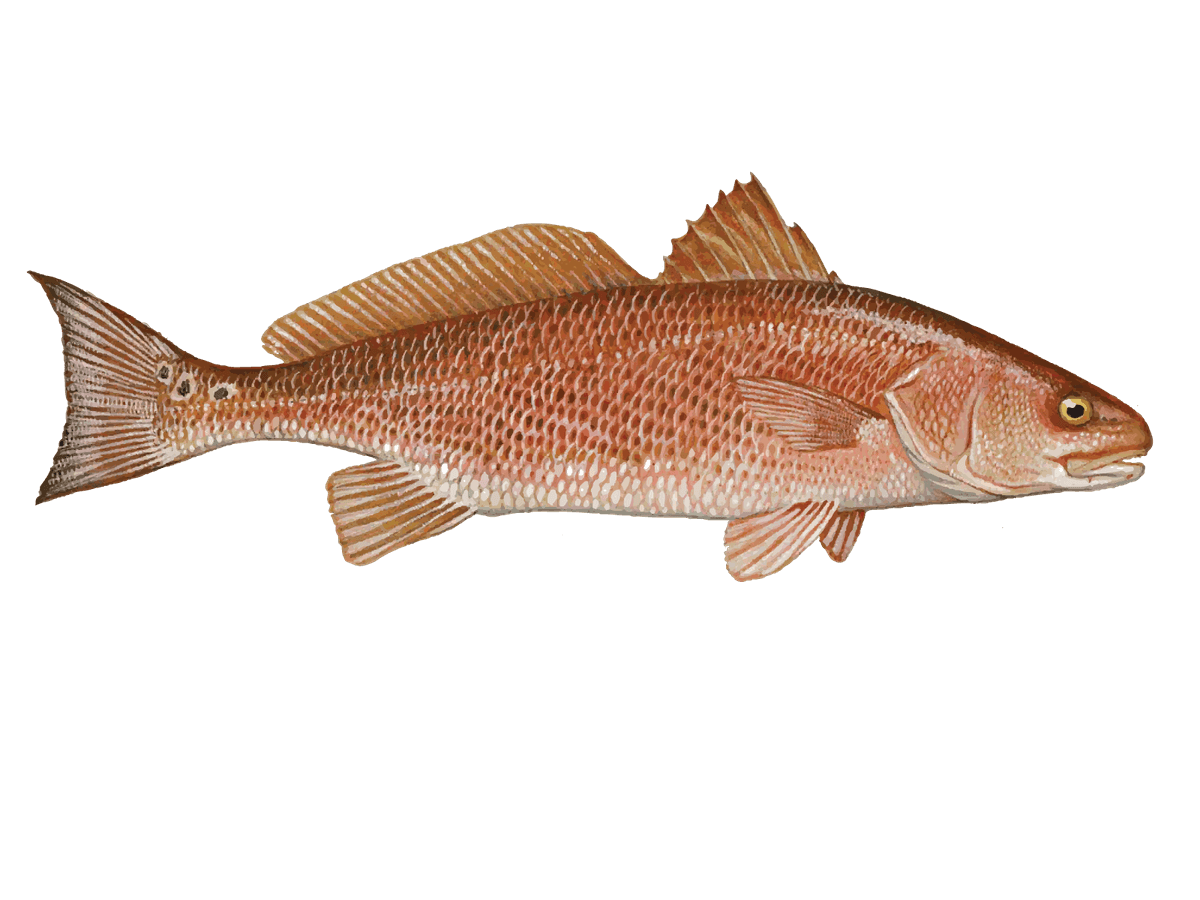
Redfish
Redfish are the copper-colored bruisers of the flats, easily spotted by those distinctive black spots near their tails. Most fish we catch run 20-30 inches, but big "bulls" can push 40+ inches and really test your tackle. They cruise super shallow water - sometimes with their backs showing - around oyster bars, grass flats, and creek edges in 1-4 feet. Fall and spring offer the best action when they're feeding heavily before and after winter. What makes reds special is their bulldogging fight and the sight-fishing opportunities they provide. They're also great eating with mild, sweet meat. My go-to trick: look for nervous water or tailing fish, then cast well ahead of them and let your bait sink to the bottom. Reds feed down, so keep it low and be patient.
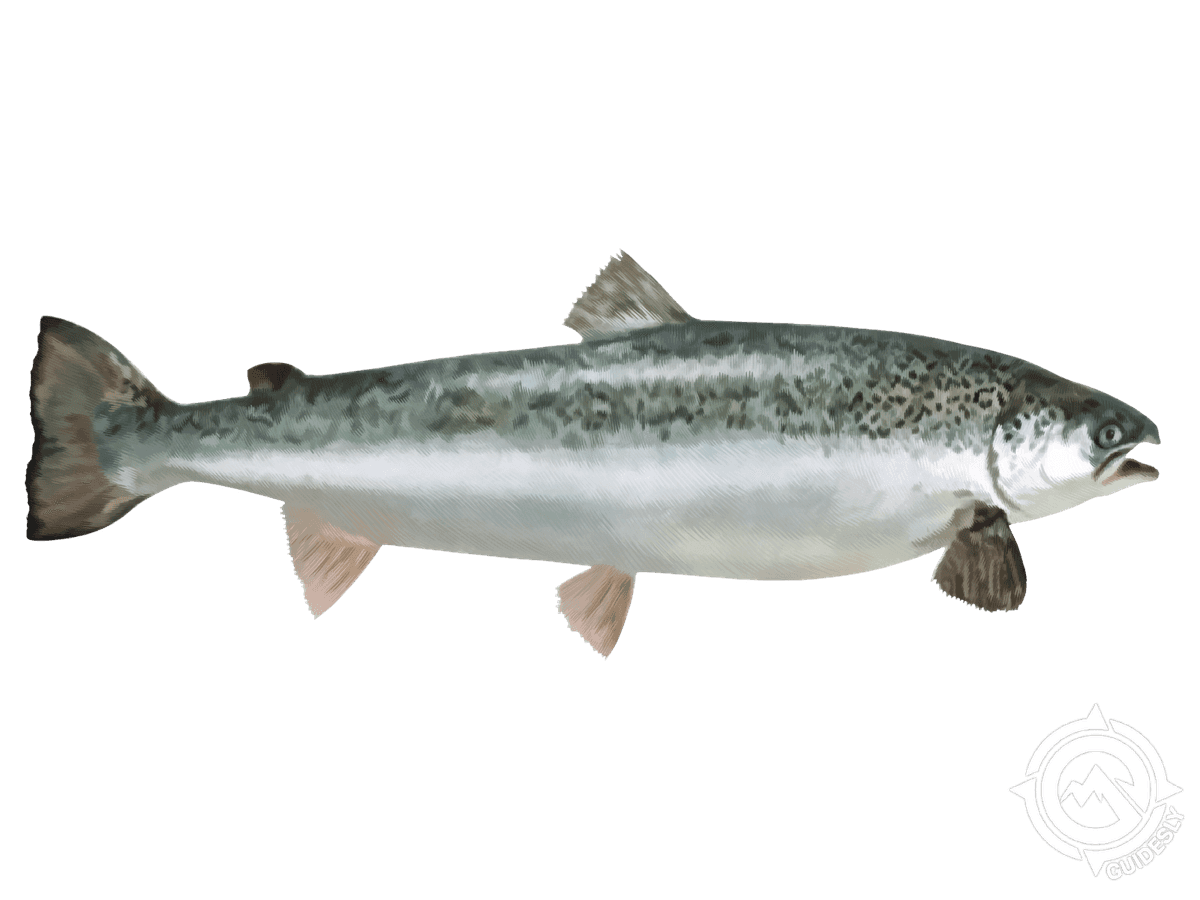
Sea Trout
Spotted sea trout, or "specks," are beautiful fish covered in dark spots with that classic trout profile. They typically run 14-20 inches and love grass flats in 2-8 feet of water, especially around creek mouths and shallow bays. These fish are most active during cooler parts of the day - early morning and evening - and really turn on during fall and spring when water temps are comfortable. What guests love about trout fishing is the steady action and their willingness to hit both live bait and artificials. They're also some of the best eating fish in the bay with delicate, flaky white meat. Pro tip: use a popping cork with live shrimp or soft plastics. The noise draws them in from a distance, and you can cover more water while keeping your bait in the strike zone longer.
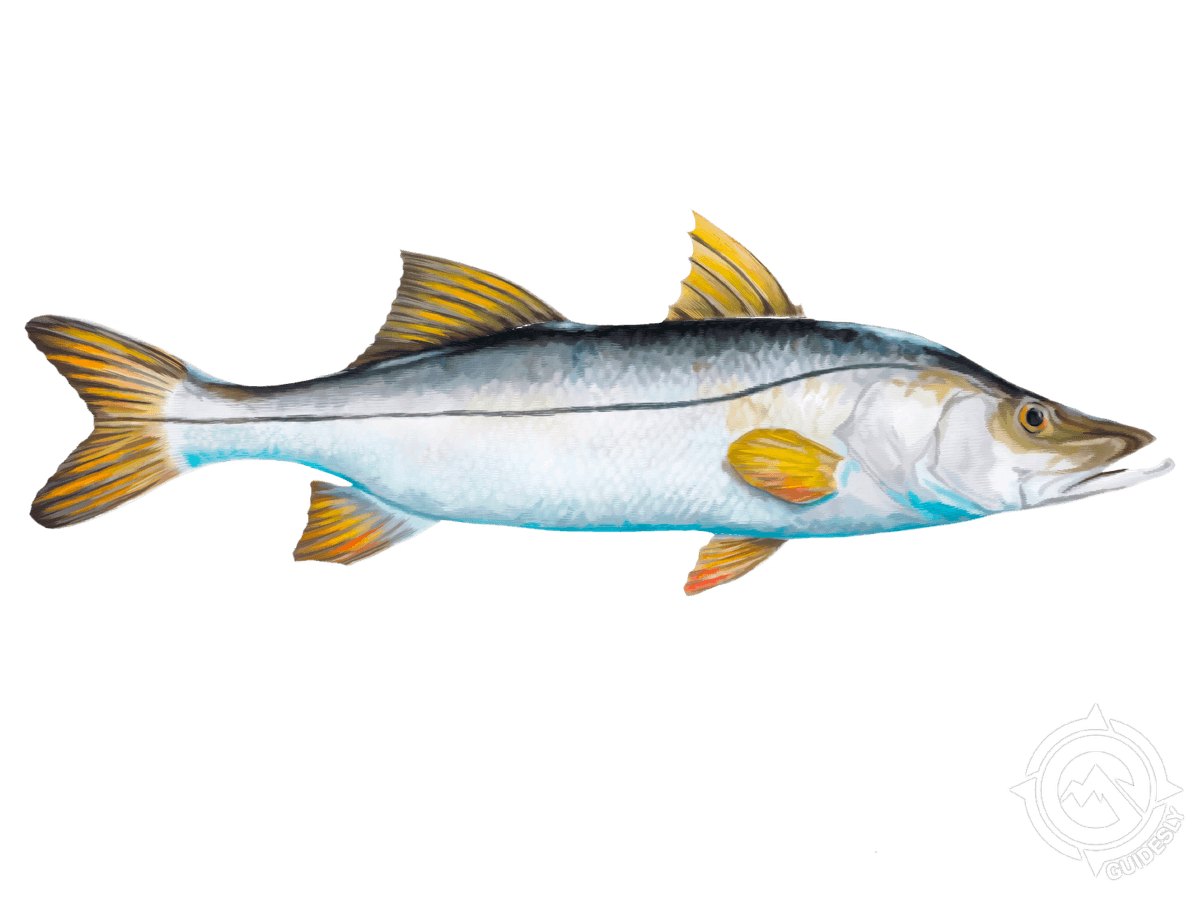
Snook
Snook are sleek, golden-colored fish with that signature black lateral line running down their sides. Most run 18-24 inches, but they can push 4 feet in the right conditions. These ambush predators love hanging around mangroves, docks, and creek mouths in shallow water - usually 2-10 feet deep. They're temperature sensitive, so warmer months from late spring through early fall give you the best action. What makes snook special is their explosive strike and hard fight - they'll jump and make blistering runs toward cover. Plus, they're excellent table fare with firm, white meat. Here's a local trick: cast your lure past the structure and work it back parallel to the edge rather than straight at it. Snook spook easily, so that sideways presentation gets more bites.
About the Botangles Fly Fishing
%2F%2Fusers%2F8edeb88a-217f-45fb-a5f2-3240528d071b%2Fvehicle_picture%2Funnamed1-mj7wkg1w.jpg&w=1200&q=75)
Vehicle Guest Capacity: 5
Manufacturer Name: Mercury
Maximum Cruising Speed: 30
Number of Engines: 1
Horsepower per Engine: 115