%2Ffit-in%2F250x250%2Fguide_websites%2F57385%2Fimages%2F1765861042006466135142_8983408855026344_345475800739615551_n.jpg&w=1200&q=100)
/users/8edeb88a-217f-45fb-a5f2-3240528d071b/ratecard/04a8061c-ec28-4554-a8b1-64bf8becb64b.jpg)
%2F300x300%2Fusers%2F8edeb88a-217f-45fb-a5f2-3240528d071b%2Fratecard%2F04a8061c-ec28-4554-a8b1-64bf8becb64b.jpg&w=256&q=75)
%2F300x300%2Fusers%2F8edeb88a-217f-45fb-a5f2-3240528d071b%2Fimages%2Ffishing-in-onancock-2282.jpg&w=256&q=75)
%2F300x300%2Fusers%2F8edeb88a-217f-45fb-a5f2-3240528d071b%2Fimages%2Fspotted-weakfish-onancock-2641.jpg&w=256&q=75)
%2F300x300%2Fusers%2F8edeb88a-217f-45fb-a5f2-3240528d071b%2Fimages%2Ffishing-adventure-virginia-2996.jpg&w=256&q=75)
%2F300x300%2Fusers%2F8edeb88a-217f-45fb-a5f2-3240528d071b%2Fimages%2Ffantastic-fishing-onancock-2430.jpg&w=256&q=75)
%2F300x300%2Fusers%2F8edeb88a-217f-45fb-a5f2-3240528d071b%2Fimages%2Fstriped-bass-fishing-va-2479.jpg&w=256&q=75)
%2F300x300%2Fusers%2F8edeb88a-217f-45fb-a5f2-3240528d071b%2Fimages%2Fsnook-fishing-onancock-2461.jpg&w=256&q=75)
%2F300x300%2Fusers%2F8edeb88a-217f-45fb-a5f2-3240528d071b%2Fimages%2Fredfish-caught-onancock-2756.jpg&w=256&q=75)
%2F300x300%2Fusers%2F8edeb88a-217f-45fb-a5f2-3240528d071b%2Fimages%2Fcrappie-caught-onancock-2440.jpg&w=256&q=75)
%2F300x300%2Fusers%2F8edeb88a-217f-45fb-a5f2-3240528d071b%2Fimages%2Ffishing-in-va-2477.jpg&w=256&q=75)
%2F300x300%2Fusers%2F8edeb88a-217f-45fb-a5f2-3240528d071b%2Fimages%2Fspotted-weakfish-virginia-fishing-2479.jpg&w=256&q=75)
2 Day Redfish Trip Chesapeake Bay Botangles
What you will be catching:
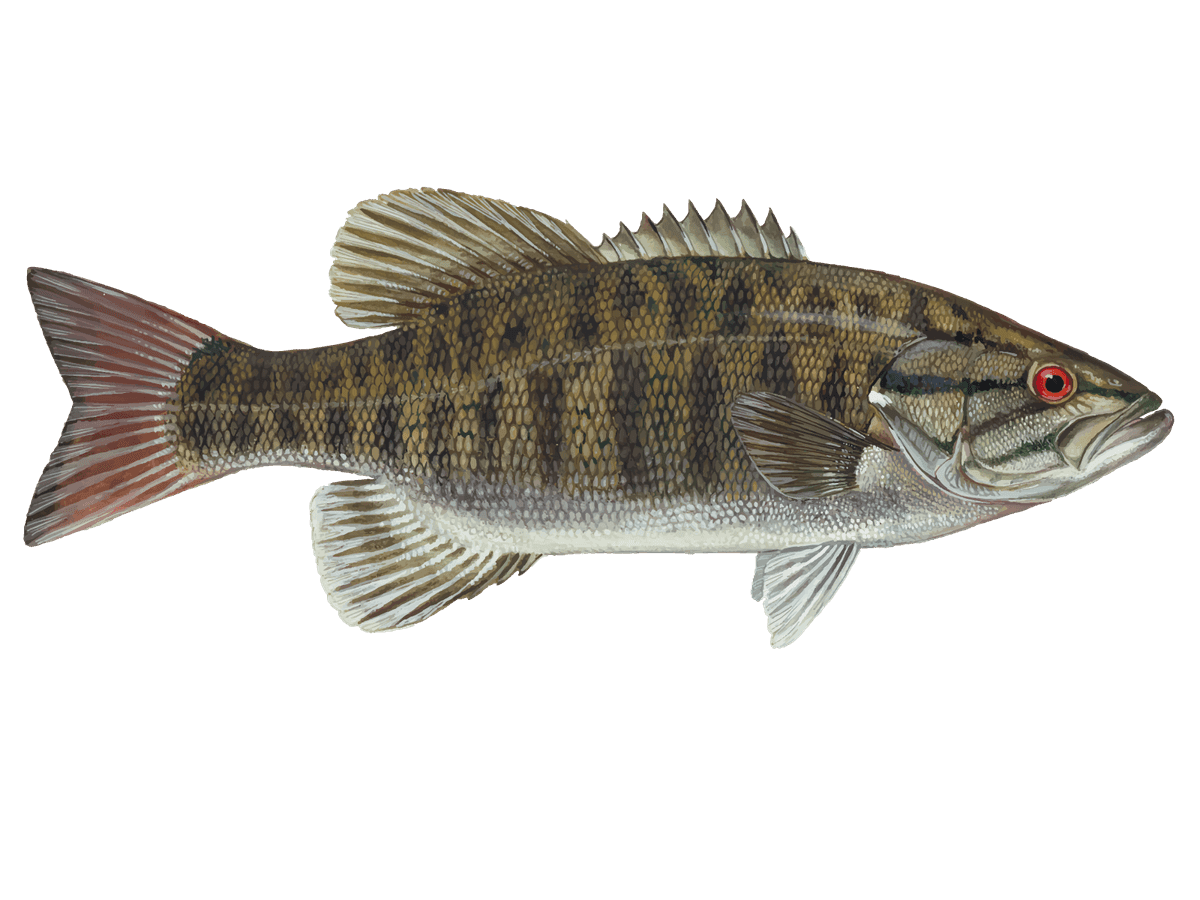
 Smallmouth Bass
- Two-day guided fly fishing excursion targeting smallmouth bass
- Professional instruction aboard specialized Hog Island Skiff vessel
- Maximum two anglers ensures personalized attention and instruction
Trip Pricing and Availabilities:
2 Day Fishing Trip On James/Shenandoah River
Captain Denny Seabright knows these Virginia waters like the back of his hand, and he's ready to show you why the James and Shenandoah Rivers are absolute magnets for smallmouth bass. This isn't your typical day-trip fishing – we're talking about two full days of top-rated fly fishing action from our rock-solid Hog Island Skiff. You'll be casting to some of the feistiest smallmouth bass in Virginia, fish that'll jump clear out of the water and make your drag sing. With room for just two anglers, you get personalized attention and prime positioning in all the best spots Captain Denny has dialed in over years of guiding these waters.
What to Expect on the Water
This is fly fishing only, so bring your A-game with the long rod. Captain Denny runs a clean operation from his Hog Island Skiff – that's a power drift boat built tough as nails with shallow water capabilities that'll get you into places other boats can't touch. We're talking about accessing those skinny runs and back eddies where the big bronzebacks like to hang out. The boat design is bulletproof, literally tested in conditions that would send lesser hulls packing. You'll spend both days floating prime smallmouth water, reading currents, and learning how these fish think. Captain Denny will position you perfectly for drag-free drifts and help you read the water like a pro. The James and Shenandoah both offer different personalities – the James tends to be a bit more technical with its boulder fields and ledges, while the Shenandoah gives you those classic riffle-pool sequences that smallmouth absolutely love. Food and lodging arrangements are on you, which gives you flexibility to stay wherever works best and eat what you want between fishing days.
Fly Fishing Techniques & Gear
We're running fly rods exclusively on this trip, and that's where the real magic happens with smallmouth bass. These fish are built for acrobatics, and on fly gear, every hookup becomes a world-class battle. Captain Denny will have you working streamers through the deeper runs, dead-drifting nymphs along rocky bottoms, and when conditions are right, throwing poppers and terrestrials on top. The Hog Island Skiff gives us the perfect platform for this kind of fishing – stable enough for accurate casting but nimble enough to work every productive piece of water. You'll learn to read current seams, identify holding water, and present your flies with the kind of precision that gets these smart fish to eat. The shallow water capabilities of our drift boat mean we can sneak into spots that bigger boats bypass completely. Rocky ledges, undercut banks, and those sweet transition zones where fast water meets slow – that's where Captain Denny will put you. The technique varies depending on water levels and season, but expect to cover everything from tight-line nymphing in pocket water to swinging streamers through deeper pools.
Top Catches This Season
Smallmouth bass are the undisputed stars of both the James and Shenandoah Rivers, and for good reason. These bronze-backed fighters are pound-for-pound some of the strongest freshwater fish you'll ever tangle with. Virginia smallmouth typically run anywhere from 12 to 18 inches, with plenty of fish pushing into the 3-4 pound range if you know where to look. Captain Denny definitely knows where to look. Peak season runs from late spring through early fall, but these fish stay active longer than most people realize. Spring brings the aggressive pre-spawn bite when smallmouth are bulked up and ready to fight, while summer fishing focuses on early morning and evening windows when the fish are most active. Fall might be the best-kept secret – smallmouth feed heavily before winter, and the crowds thin out significantly. What makes smallmouth so special is their attitude. They don't just fight, they put on a show. First run is usually straight toward the boat, then they'll launch themselves skyward in a series of gill-rattling jumps that'll get your heart pumping. On fly gear, even a 14-inch smallmouth feels like a fish twice its size. The rocky structure of both rivers creates perfect smallmouth habitat – plenty of ambush points, good current breaks, and the kind of crayfish-rich environment that keeps these fish fat and happy year-round.
Why Anglers Keep Coming Back
Two days gives you time to really dial in these waters and develop a feel for how smallmouth behave in different conditions. Day one might be all about learning the water and figuring out what the fish want, while day two is when everything clicks and you start putting together those memorable catches. Captain Denny's local knowledge runs deep – he's been working these rivers for years and knows not just where the fish are, but why they're there. The customer favorite aspect of this trip is definitely the personalized instruction you get with just two anglers aboard. No crowded boat, no competing for the best spots, just quality time on renowned smallmouth water with a guide who genuinely wants to see you succeed. The Hog Island Skiff gives us access to water that most anglers never see, and over two days, that translates into opportunities you simply can't get anywhere else. Plus, having your own lodging arrangements means you can decompress between fishing days, tie flies if you're into that, and really soak in the whole Virginia river experience at your own pace.
Time to Book Your Spot
This best trip combination of world-class smallmouth fishing, expert guiding, and exclusive water access doesn't stay available long. Captain Denny's two-day trips book up fast, especially during peak smallmouth season when these fish are at their most active. You're looking at 48 hours of intensive fly fishing education and some seriously memorable battles with Virginia's bronze-backed beauties. The James and Shenandoah Rivers represent some of the finest smallmouth bass fishing on the East Coast, and there's
Learn more about the species
Smallmouth Bass
Smallmouth bass are the reason I love guiding these Virginia rivers. These bronze fighters average 12-16 inches and put up a scrap that'll surprise you - they jump, run, and fight harder than fish twice their size. You'll find them around rocky ledges, fallen timber, and gravel bars in 2-8 feet of water. The James and Shenandoah's clear, cool water with rocky bottoms create perfect smallmouth habitat. Spring and fall are prime time when they're aggressive and feeding shallow, though early morning and evening produce best results year-round. What makes smallmouth special is their attitude - they hit flies hard and stay mad the whole fight. The meat's excellent too - firm, white fillets with mild flavor. Here's a local tip: when you see that telltale bronze flash following your fly, let it sink another foot before stripping. They often follow first, then commit on the drop.
About the Botangles Fly Fishing
%2F%2Fusers%2F8edeb88a-217f-45fb-a5f2-3240528d071b%2Fvehicle_picture%2Funnamed1-mj7wkg1w.jpg&w=1200&q=75)
Vehicle Guest Capacity: 5
Manufacturer Name: Mercury
Maximum Cruising Speed: 30
Number of Engines: 1
Horsepower per Engine: 115